


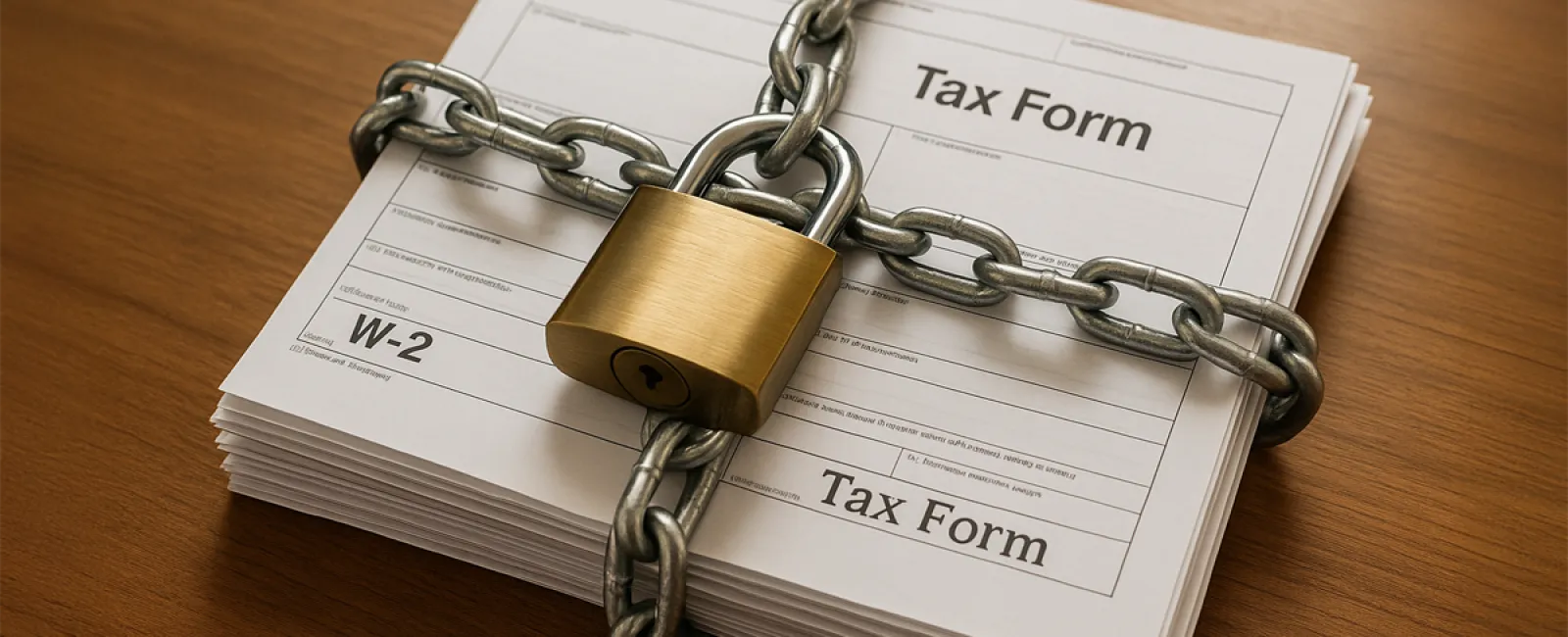
February marks the peak of tax season, and your accounting team is busier than ever. With your bookkeeper gathering documents and everyone focused on W-2s, 1099s, and looming deadlines, the pressure mounts.
But here's a hidden threat that rarely appears on planners: the first major headache during tax season often isn't a paperwork glitch—it's a scam.
This scam emerges early, even before April, because it's simple, convincing, and targets small businesses directly. You may already have one lurking inside a staff member's inbox.
Understanding the W-2 Scam: The Mechanics
Here's how it unfolds:
Someone handling your payroll or HR receives an email that appears to come from your CEO, owner, or a top executive.
The message is brief, urgent, and reads something like:
"Hi, I need copies of all employee W-2s for an upcoming accountant meeting. Can you send them ASAP? I'm swamped today."
The email seems normal, the tone fitting the busy tax season vibe, and the request perfectly reasonable.
Your employee complies and sends the W-2 forms.
However, the email wasn't really from your CEO—it was sent by a malicious actor using a spoofed address or a nearly identical domain.
Now, that criminal has access to every employee's:
• Full legal name
• Social Security number
• Home address
• Salary details
All the critical info needed for identity theft and fraudulent tax filings—things your employees have no idea they just handed over.
The Aftermath: What Happens Next
Typically, the first sign of trouble emerges when an employee files their tax return and it's rejected with a message like: "A return has already been filed for this Social Security number."
Someone else has already filed fraudulent claims and received their refunds.
Your employee faces months of dealing with the IRS, credit monitoring, identity theft protection services, and a mountain of paperwork—all because of a fake email.
Multiply this risk by your entire payroll, then imagine having to explain to your team that their confidential data was compromised due to one misstep.
This is more than a security breach—it's a breakdown of trust, an HR crisis, potential legal liability, and a blow to your company's reputation.
Why This Scam Is So Effective
This isn't your typical obvious phishing scam; it's cleverly crafted and hard to detect at first glance.
Its success lies in several factors:
The timing is flawless—requests for W-2s naturally peak in February, so no one suspects foul play.
The demand is believable—it's not an outlandish request like "wire money" or "buy gift cards," but something routine during tax season.
The urgency feels genuine—a busy executive asking for quick assistance doesn't raise alarms in a hectic office.
The sender's identity appears real—criminals study targets meticulously, often knowing CEO and accountant names to make the email look authentic.
Employees naturally want to help, especially their boss, which causes them to overlook verification steps.
Essential Steps to Safeguard Your Business Before the Scam Strikes
The good news? This scam can be stopped with clear policies and a culture of caution—no advanced technology needed.
Implement a strict "no sharing W-2s via email" policy. No exceptions. Never send sensitive payroll documents outside your secure systems via email—even if the request appears to come from the CEO.
Always verify sensitive requests through an independent channel—call, chat, or in-person confirmation using contact info you already trust, not details from the suspicious email. A quick 30-second check can prevent months of recovery.
Host a brief, focused team meeting now—not later—to educate payroll and HR staff about these scams, how they look, and the procedures to follow. Awareness is your best defense.
Secure payroll and HR systems with multi-factor authentication (MFA) to add crucial layers of protection. If credentials get phished, MFA stops attackers from gaining easy access.
Promote a culture that celebrates verification. Employees who double-check suspicious requests should be recognized, not reprimanded. Encouraging scrutiny makes it harder for scams to succeed.
These five simple measures are easy to enforce immediately and powerful enough to block the initial wave of attacks.
Looking Beyond: The Greater Threat Landscape
The W-2 scam is just the beginning.
Between now and April, expect an onslaught of tax-related cyber attacks including:
• Fraudulent IRS notices demanding urgent payments
• Phishing emails disguised as tax software updates
• Spoofed messages appearing to be from your accountant containing harmful links
• Fake invoices masquerading as legitimate tax expenses
Criminals exploit the distracted, deadline-driven rush of tax season when financial requests seem routine.
Companies that navigate tax season unscathed aren't lucky; they're prepared with robust policies, ongoing training, and systems designed to spot and halt suspicious requests before disaster strikes.
Is Your Company Ready to Face the Threat?
If your business already has solid policies and your team is trained to spot these scams, you're ahead of the curve.
If not, now is the perfect time to act—don't wait for the first attack.
Consider scheduling a quick 15-minute Tax Season Security Check where we'll go over:
• Access controls for payroll/HR and multi-factor authentication
• Procedures to verify W-2 requests
• Email safeguards against spoofing
• A crucial policy update many businesses overlook
If this doesn't describe your business, fantastic! But if you know someone who could benefit, please share this article—it might save them from a costly crisis.
Click here or give us a call at 281-402-2620 to schedule your free 15-Minute Discovery Call.
Because tax season is stressful enough already—don't let identity theft make it worse.


